
An easy grip stroker can use its outer shape, soft material, internal geometry, or an added mechanism to change pressure. A magnetic design adds one more variable: attraction can bring parts of a soft channel closer as the body is squeezed. The useful way to assess it is to separate the documented mechanism from personal outcomes that depend on fit, grip, lubrication, and pace.
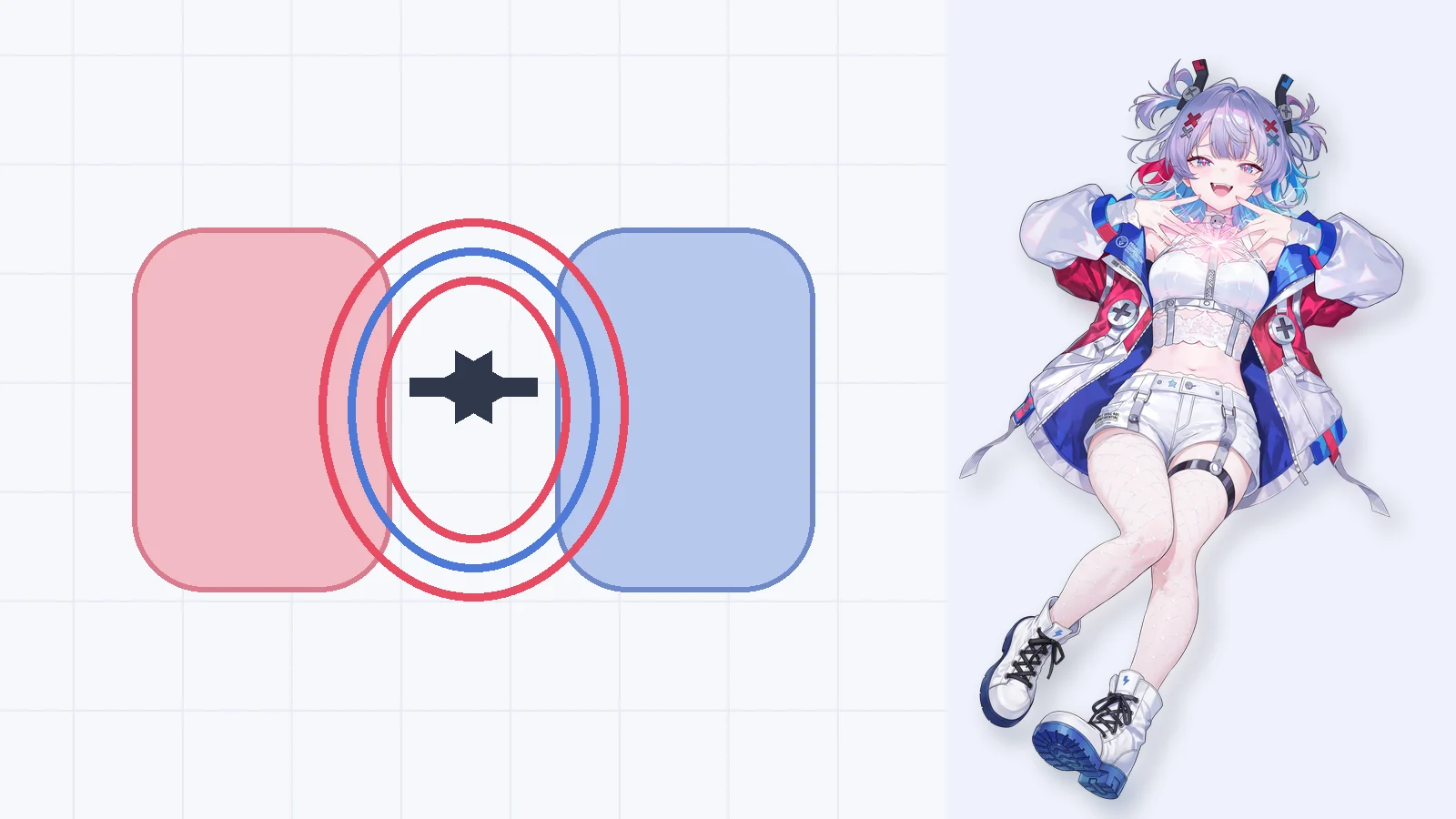
Start with the mechanism, not the intensity claim
A product page should identify where the magnets sit and what movement causes them to attract or separate. If it only says magnetic without explaining a responsive structure, the term has little comparison value.
For Cixiaogui, the listing links attraction and separation to squeezing and releasing the soft body. That supports a manual pressure-change model, not an automatic pulsing or motorized function.
Soft wall thickness changes what grip can do
A soft exterior can transfer hand pressure inward, but the response depends on wall thickness, TPE formulation, temperature, and the area being held. A static product photo cannot establish the exact force required.
An easy grip stroker should remain controllable without extreme force. If a product must be crushed to change shape, handling and material stress become concerns rather than benefits.
Magnetic attraction is one part of the system
Magnets can influence how two areas approach each other, yet the surrounding material still limits movement. The mechanism does not erase the effect of lubricant, alignment, texture depth, or external pressure.
A tight grip stroker search often mixes fixed narrow channels with squeeze-responsive products. Compare whether tightness is built into the resting geometry or created temporarily by the hand.
Use a one-variable adjustment method
Begin with a relaxed grip and enough compatible lubricant. Change only one variable at a time: grip pressure, angle, or pace. That makes it easier to identify what improves control and what creates friction or discomfort.
Pause if the material folds sharply, movement becomes dry, or discomfort appears. More pressure is not a quality test and should never be used to force a poor fit.
Check whether the product is truly manual
A manual stroker should not be confused with an app-controlled, vibrating, or motor-driven model. Look for batteries, charging details, controls, and powered claims; when none are present, describe the product as hand controlled.
This distinction also affects cleaning. A simple washable body may have fewer electronic restrictions, but the manufacturer instructions still control water exposure and drying.
Compare products with a short evidence table
Record material, wall flexibility, internal pattern, grip shape, pressure mechanism, powered features, cleaning access, and missing specifications. Missing data should remain missing instead of being replaced by assumptions.
For a magnetic product, add magnet placement and the action that changes contact. That makes the comparison useful even before anyone can know an individual's preferred feel.
Apply the framework to Cixiaogui
Cixiaogui documents soft TPE, magnets around the inner path, layered beads and ribs, and direct hand-pressure control. These facts support a responsive manual design description.
They do not prove a universal pressure level or durability result. Buyers should compare the current listing, dimensions, care instructions, and return terms before deciding.






















This guide explains how soft TPE, internal textures, magnets, grip, lubricant, and movement shape pressure in a manual stroker. It recommends starting gently, adjusting one variable at a time, and avoiding universal sensation claims.