
A soft manual stroker is easier to control when lubrication and grip work together. Apply compatible water-based lubricant before use, keep the entrance aligned and begin with light hand pressure; if movement feels dry, add lubricant before squeezing harder.
Check the material before choosing lubricant
Read the current product instructions first. For soft TPE products such as Realistic Mouth, water-based lubricant is the straightforward choice because it rinses away easily and avoids the compatibility questions associated with silicone- or oil-based formulas.
Do not assume that two products with a similar appearance use the same material blend. The exact listing and care label should decide what is compatible.
When comparing oral stroker, use the same material, handling, and care checks instead of relying on the label alone.
Use enough lubricant from the start
Apply lubricant to both the entrance and the contact area before movement begins. A closed textured channel can spread lubricant away from the opening, so a small top-up is often more useful than trying to continue through dryness.
Lubricant is not a contest in quantity. Use enough for smooth movement, then add a little only when needed so cleanup remains manageable.
When comparing male stroker, use the same material, handling, and care checks instead of relying on the label alone.
Begin with a relaxed grip
Hold the body steadily without crushing it. Soft TPE narrows as the hand closes, which means grip pressure directly changes the available space and friction inside.
Starting light gives you a baseline. If the product already feels hard to align, stop and reset instead of forcing the angle.
Change one thing at a time
Adjust grip, angle, pace, or lubricant separately. When several variables change together, it becomes difficult to tell what improved control and what introduced discomfort.
Small steps also protect the product. Repeated hard twisting or squeezing can strain a soft entrance and fine internal textures.
Know the stop signs
Stop for pain, numbness, bleeding, persistent irritation, a new tear, an exposed hard edge, or an unusual material change. Discomfort is a signal to pause, not a target to push through.
If symptoms continue after stopping, seek appropriate medical advice. A product guide cannot diagnose a health condition.
Finish with a full rinse
Water-based lubricant is easier to remove, but a closed channel still needs a complete rinse. Work gently through the depth, drain with the opening downward, and allow the interior to dry before storage.
Inspect the entrance again after cleaning. Catching a small tear or tacky patch early is better than discovering it during the next use.





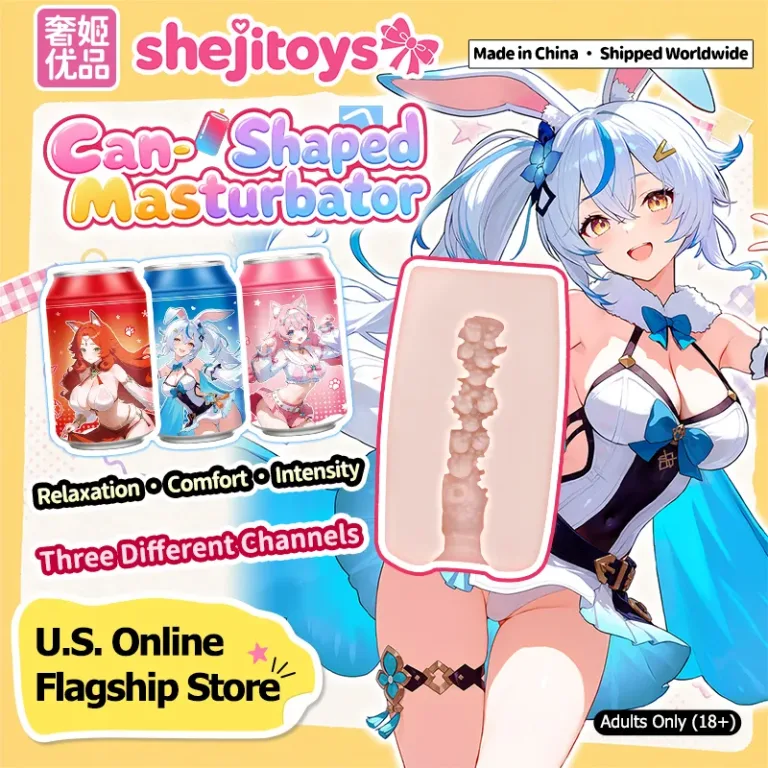





















Check the material and care instructions, use compatible water-based lubricant, align the stroker, and begin with a relaxed grip and light pressure. Adjust one factor at a time, stop for discomfort or damage, then rinse thoroughly and dry before storage.