
automatic male masturbator. Manual, automatic, electric, and heated are often used as if they were interchangeable labels. They are not. Manual describes who supplies the motion; automatic describes a powered action; electric only confirms that electricity is involved; heated describes temperature control that may be combined with either motion or vibration. Sorting those systems first prevents feature lists from becoming misleading.
Manual products trade automation for direct control
A manual stroker has no motorized cycle. The user controls pace, angle, and compression, which makes the setup simple, quiet, and independent of charging. The cost is physical effort and the need to keep grip pressure within the material's limits.
Soft products such as Twin-Womb Dragon Girl also let the outer body influence internal pressure. That is useful only when squeezing remains gentle; hard compression can close a route, stress TPE, and make cleaning more difficult.
Automatic describes motion, not every powered feature
An automatic product may stroke, rotate, contract, pulse, or combine actions. Buyers should identify the actual mechanism, stroke range, speed control, pause behavior, and whether the motion can be interrupted immediately.
Do not assume that every electric cup is automatic. A powered product may only vibrate or heat, while movement still comes from the user. The product page should make that distinction explicit.
The exact search phrase “automatic stroker” still needs the same evidence check for material, route, power, and care.
Noise, charging, and controls affect shared-space use
Manual products have no motor noise, but normal handling is not literally silent. Powered products add motor tone, vibration transfer, button lights, charging cables, and battery status to the routine. Published decibel claims should be treated cautiously unless the test distance and room conditions are stated.
Check charging connector, lock mode, travel behavior, runtime claims, and whether controls can be used with wet hands. In apartments or shared homes, setup and storage may matter more than the largest number of modes.
The exact search phrase “automatic male masturbators” still needs the same evidence check for material, route, power, and care.
Heated does not automatically mean temperature-safe
A heating feature should disclose its target range, warm-up behavior, sensor logic, and shutdown protection. Never add boiling water, a microwave, radiator, hair dryer, or other uncontrolled heat to a product unless the current manufacturer instructions explicitly permit a method.
Temperature preference varies, and reduced sensation can make heat harder to judge. Start low, verify the surface, and stop if the product feels unexpectedly hot or the material changes.
Water resistance and cleanability are separate questions
An IP rating applies only to the conditions and assembled state stated by the manufacturer. It does not automatically make a powered product dishwasher-safe, suitable for soaking, or easy to dry around charging ports and seams.
Manual soft bodies remove electronics from the wash routine but can still contain deep closed routes. Compare removable parts, channel access, drainage, drying time, and the instructions for motors or control modules before deciding which is simpler.
Choose a system by routine, not mode count
Choose manual when direct pressure control, low setup, portability, and no charging matter most. Choose automatic when repeatable powered motion justifies noise and cleaning complexity. Choose heating only when its temperature controls and care instructions are clear.
A feature comparison should end with the home routine: where the product charges, where it is washed, how it dries, who shares the space, and how quickly it can be stopped and put away. The best system is the one that can be used and maintained consistently.
- Manual: direct control, no motor, no charging
- Automatic: powered motion with more setup and moving parts
- Heated: temperature feature requiring clear limits and safeguards
Shared housing, travel, and power standards
A powered model adds charger storage, outlet access, motor noise, and airline battery rules to the US routine. A manual product avoids those steps, which can matter more than mode count in a dorm, apartment, or frequent-travel setup.
Check the current voltage and charging specification rather than assuming every imported power adapter suits US outlets.
Product and care resources
- View Twin-Womb Dragon Girl product details
- Browse more product reviews
- Read the cleaning and care guide
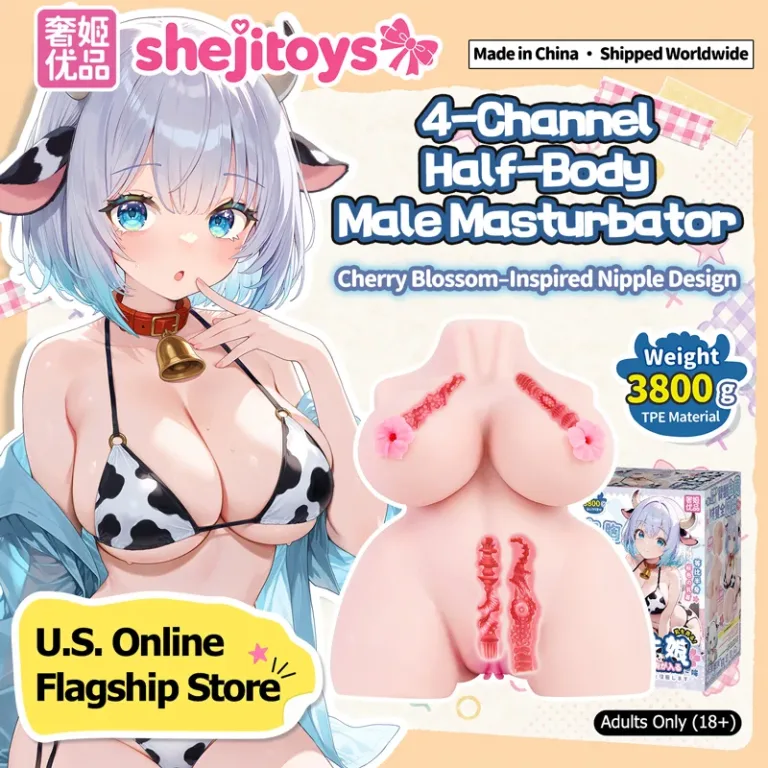
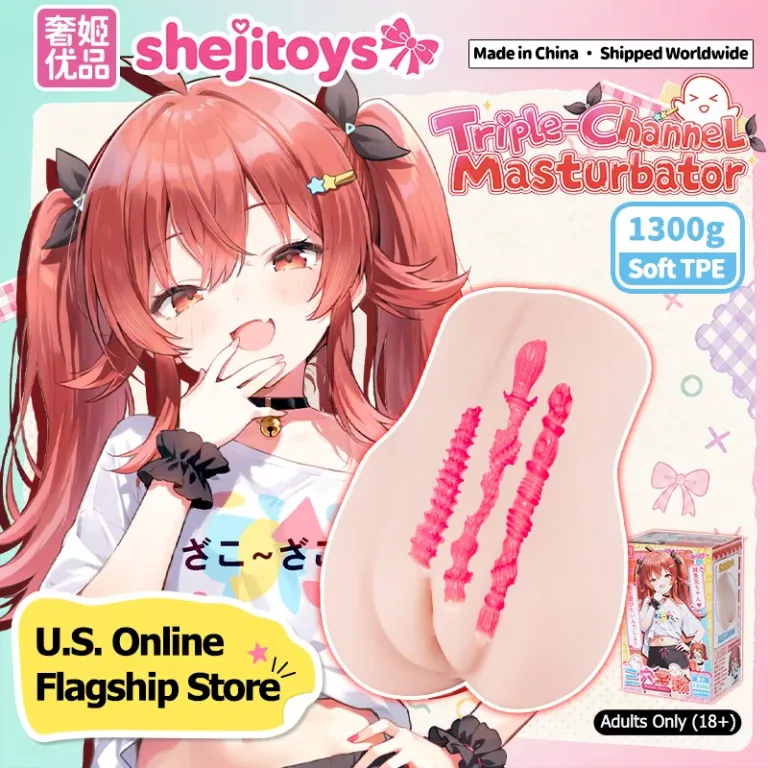
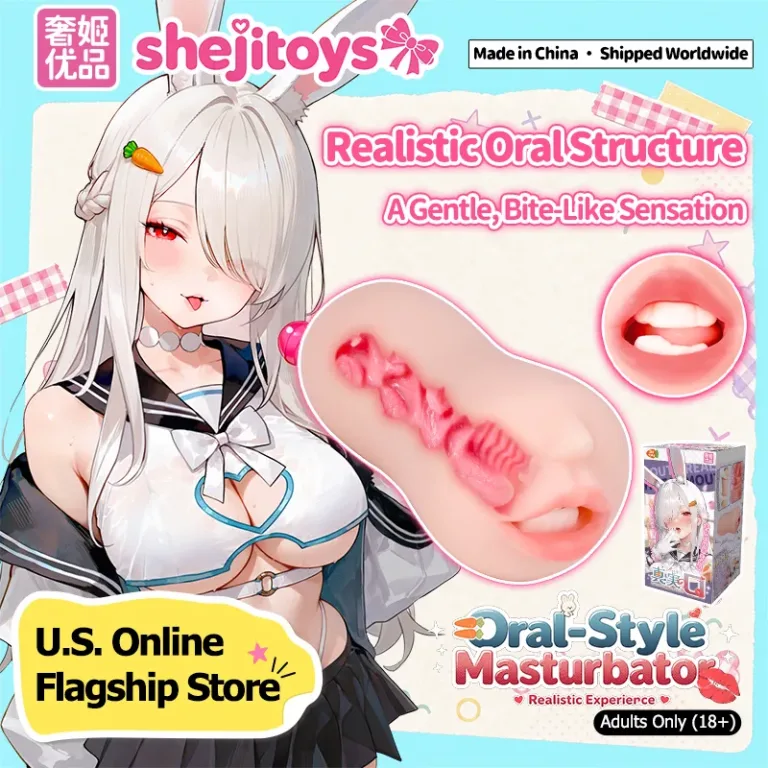
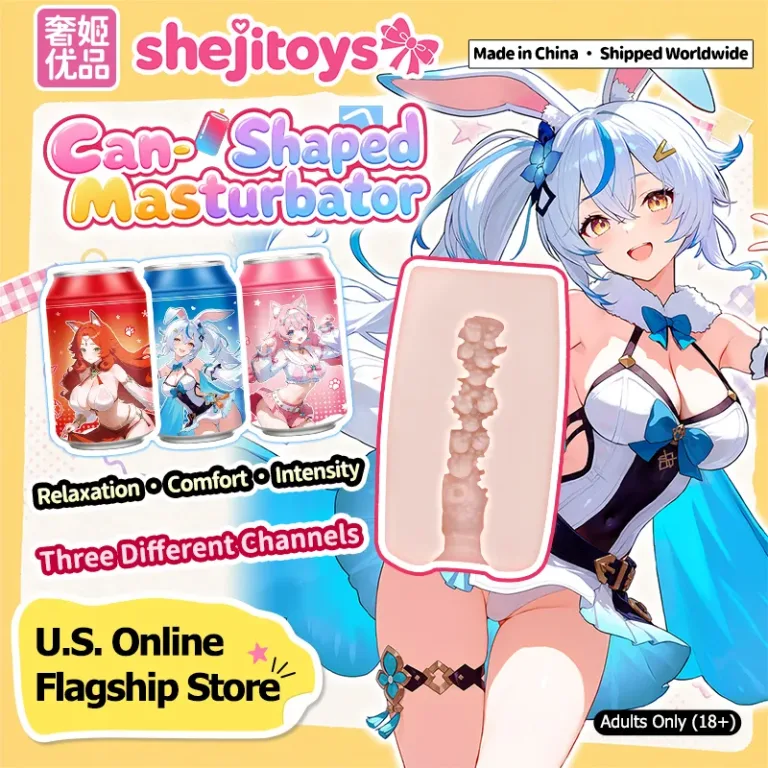
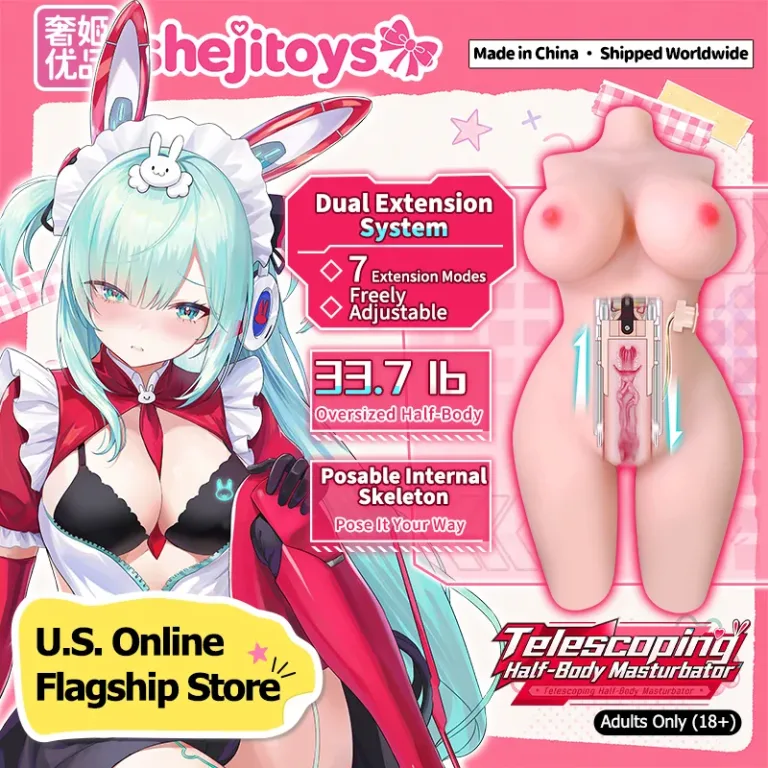
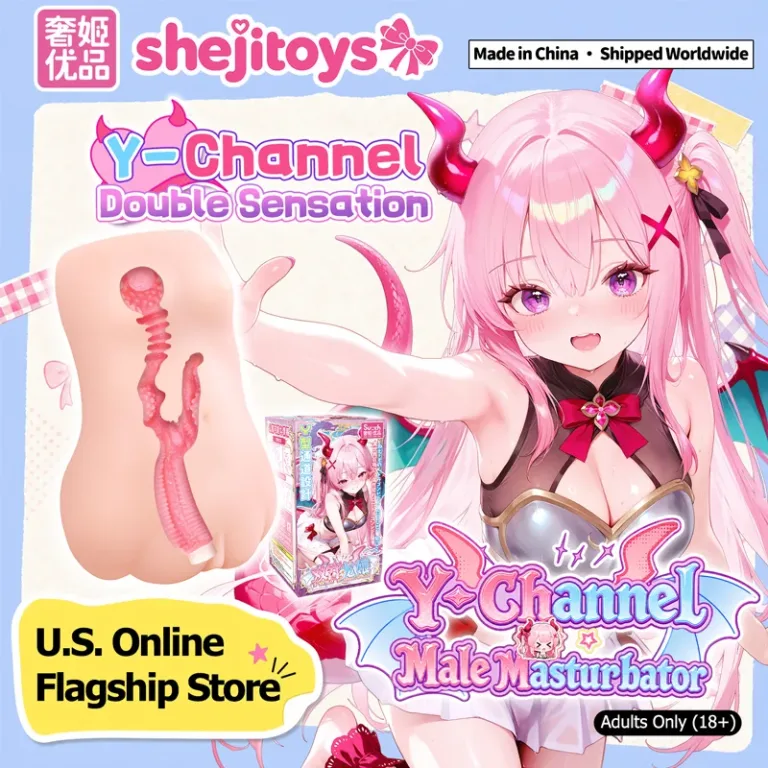
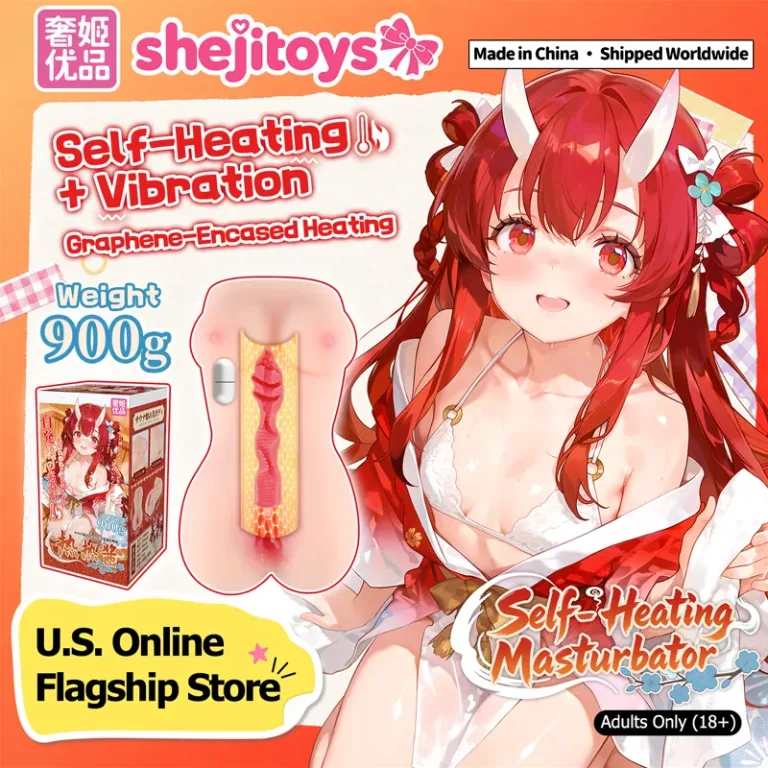
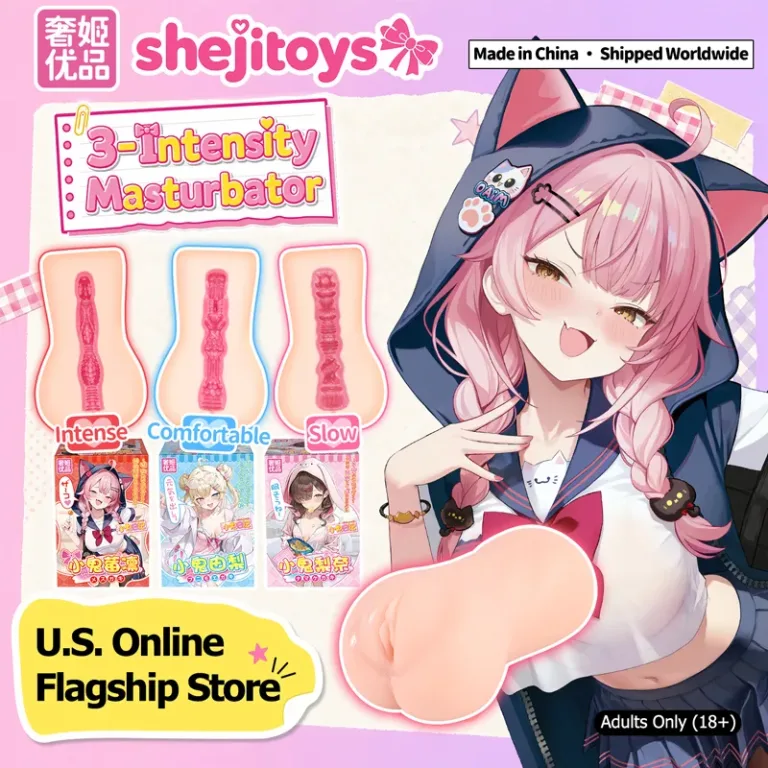
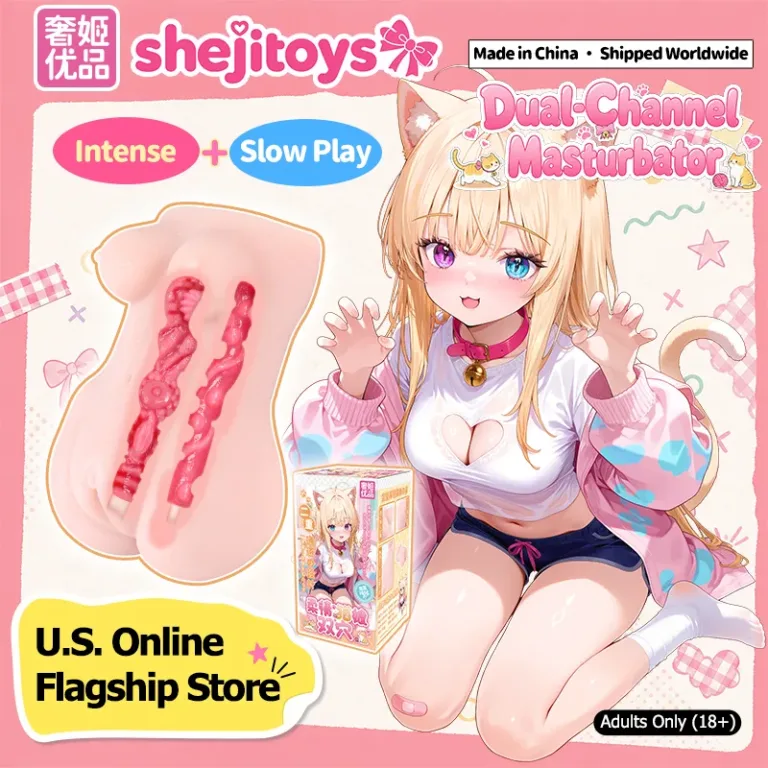
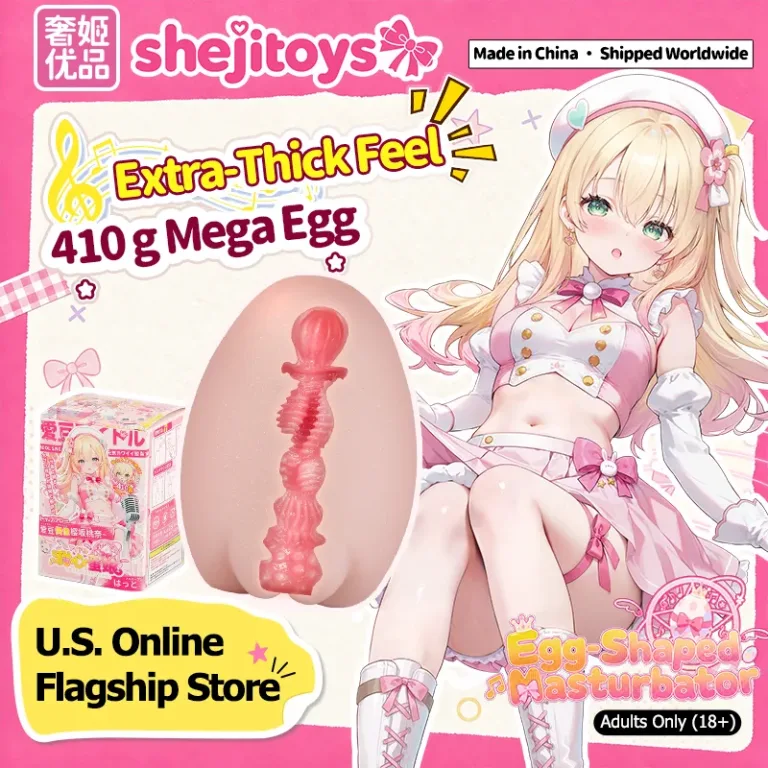

















Manual, automatic, electric, and heated strokers describe different functions rather than interchangeable categories. Compare motion, controls, noise, charging, water resistance, cleaning, portability, and temperature safeguards against your routine.